 EN
EN
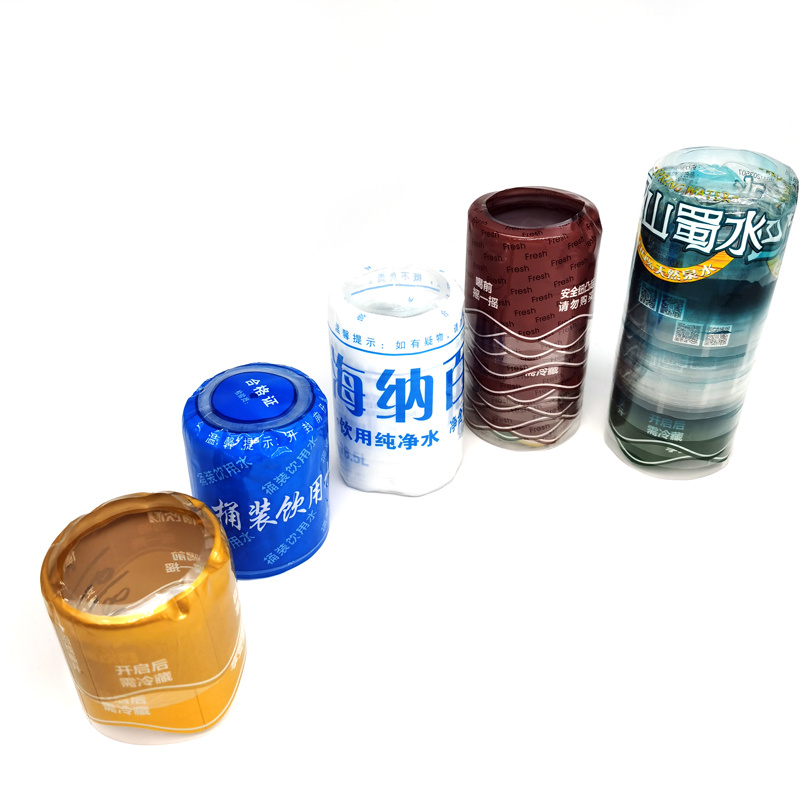
Heat shrink film is a special kind of plastic that becomes smaller when heat is applied. This film is used to wrap and protect many products, from food to electronics. It is very useful in packaging because it helps keep items safe and secure. At Guozhao, we specialize in making high-quality heat shrink film. To create this film, we use different materials, and understanding these materials is important for anyone interested in how heat shrink film is made.
What Materials Are Commonly Used in Heat Shrink Film Production?
There are a few main materials that companies like Guozhao use to make heat shrink film. The most common material is polyolefin. This type of plastic is strong and flexible, which makes it great for wrapping products. It can shrink to fit tightly around items when heat is applied. Another popular material is PVC, which stands for polyvinyl chloride. PVC is also used because it is durable and can be made in many colors. Some people prefer PVC because it is less expensive than other materials. There's also PET, which stands for polyethylene terephthalate. PET is known for being strong and clear, making it a good choice for packaging items where visibility is important. Each of these materials has its own strengths. For example, polyolefin is safer for food products, while PVC is often used for non-food items.
How to Choose the Right Material for Your Heat Shrink Film Needs
Choosing the right material for heat shrink film can be tricky, but it is very important. First, think about what you are wrapping. If it’s food, you need a material that is safe to use with food items. Polyolefin is usually the best choice here because it is non-toxic and keeps food fresh. If you are wrapping non-food items, like toys or electronics, you might choose PVC because it is often cheaper and still very effective. Next, consider how the film will be used. If the product will be stored for a long time, you might want a thicker film that can provide better protection. On the other hand, if you need something lighter and more flexible, a thinner film could work well. The appearance of the film is also important. If you want customers to see the product inside, clear films like PET are ideal.
How to Ensure Consistent Quality in Heat Shrink Film Production Materials
When making heat shrink film, it is important to use materials that are of high quality. Guozhao knows that using the right materials helps produce a strong and reliable film that can protect products well. To ensure consistent quality, we follow strict guidelines. First, we choose the best types of plastic, like polyolefin or PVC. These materials have special properties that make them shrink evenly when heat shrink cap seals check each batch of material before we use it. This means that we look for any problems, like holes or weak spots in the plastic. By doing this, we can make sure that every roll of film we produce is the same quality. Our team at Guozhao also tests the film after it has been made. We want to be sure it shrinks properly and sticks well to the items it covers.
What Are the Latest Trends in Heat Shrink Film Material Innovation?
In the world of heat shrink films, new ideas and materials are always being explored. Guozhao is excited about the latest trends in making heat shrink wine bottle seals is the use of biodegradable materials. People are becoming more aware of the environment, and they want products that are safe for the planet. By using biodegradable plastic, we can create heat shrink film that breaks down naturally over time instead of harming the earth. Another trend is using thinner materials that are still strong. This means we can use less plastic, which is good for the environment. Thinner films can also save money because they are lighter and easier to ship. At Guozhao, we are researching ways to make our films thinner while keeping them strong enough to protect items.
How Heat Shrink Film Material Affects Product Protection and Longevity
The material used in heat shrink bottle seals can have a big impact on how well it protects products. At Guozhao, we know that different types of plastic have different strengths. For example, polyolefin is often used because it is strong and flexible. This means that when it shrinks around a product, it forms a tight seal that keeps dirt and moisture out. This helps keep items safe and looking good for a long time. The thickness of the film also plays a role in protection. Thicker films can offer more protection against scratches and bumps. However, they need to be balanced with weight and flexibility. A film that is too thick may be heavy or difficult to use, while a film that is too thin may not offer enough protection. Guozhao works hard to find the right thickness that keeps products safe without making the film hard to work with.
Table of Contents
- What Materials Are Commonly Used in Heat Shrink Film Production?
- How to Choose the Right Material for Your Heat Shrink Film Needs
- How to Ensure Consistent Quality in Heat Shrink Film Production Materials
- What Are the Latest Trends in Heat Shrink Film Material Innovation?
- How Heat Shrink Film Material Affects Product Protection and Longevity