 EN
EN
POF vs PVC Heat Shrink Film: Which Is Better for B2B Packaging?
When businesses need reliable packaging, choosing the right heat shrink film can affect product protection, appearance, processing efficiency, and overall costs. Two common options are POF and PVC film. Although both can shrink around products when heated, their characteristics are different. POF is known for its clarity, flexibility, and suitability for many packaging applications, while PVC is often selected for its affordability and stiffness. Understanding these differences can help B2B buyers choose the appropriate film for their products and equipment. Guozhao provides packaging solutions that can help businesses compare available options based on their specific requirements.
What Are the Main Differences Between POF and PVC Heat Shrink Film?
POF, or polyolefin film, is widely used for retail and industrial packaging. It provides good clarity, allowing customers to see the packaged product easily. Its flexibility also makes it suitable for products with different shapes and sizes. Another advantage of POF is its strength. When properly selected and applied, it can provide effective protection against handling and transportation damage. Its balanced combination of flexibility and shrink performance makes it suitable for many consumer products, food-related packaging applications, and other goods where appearance matters.
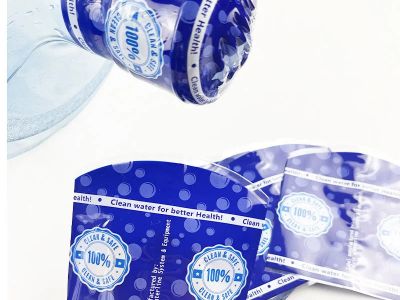
PVC, or polyvinyl chloride film, is another type of heat shrink bottle seals film. It can provide a tight and attractive package and is often considered when buyers are looking for a cost-effective packaging material. PVC can work well for certain rigid products, boxes, and other applications. However, the two materials behave differently during heating and processing. Buyers should consider the recommended operating temperature, shrink characteristics, film thickness, equipment compatibility, and application requirements before choosing either material. For products that require high clarity and flexibility, POF may be a strong option. For applications where cost and specific packaging characteristics are more important, PVC may also be suitable.
How to Choose the Right Heat Shrink Film for Wholesale Purchasing?
B2B buyers should look beyond the purchase price when sourcing heat shrink film in bulk. The correct product should match the packaging equipment, product dimensions, production speed, and required protection level. Film thickness is one factor to consider. Different products require different levels of protection. Lightweight items may require thinner film, while products exposed to more demanding handling conditions may benefit from a stronger specification. Buyers should also consider film width and roll length. Choosing the correct dimensions can reduce waste and improve production efficiency. If the film is too wide or too narrow for the product and machine, operators may experience unnecessary material consumption.
Machine compatibility is equally important. Some packaging systems are specifically configured for particular types of shrink film. Before placing a wholesale order, buyers should confirm that the film works with their existing heat shrink cap seals equipment. Packaging appearance is another consideration. Clear film can improve product visibility and create a clean retail presentation. This can be especially useful for products displayed directly on store shelves. For businesses purchasing large quantities, it is also wise to request samples before making a major order. Testing samples can help confirm shrink performance, sealing quality, clarity, strength, and compatibility with existing equipment. Guozhao can help businesses evaluate different packaging requirements and identify suitable film options for their applications.
What Common Problems Should B2B Buyers Avoid?
One common mistake when purchasing heat shrink film is selecting a product based only on the lowest price. A cheaper film may not always provide the performance required by a high-speed packaging line. Poor shrink performance, weak seals, inconsistent thickness, or excessive material waste can increase the actual cost of packaging. Buyers should also avoid ordering large quantities without testing the film first. Even if a specification appears suitable on paper, the material may behave differently on a particular machine. A trial run can identify potential problems before a full-scale purchase.
Another issue is selecting the wrong thickness. Film that is too thin may not provide sufficient protection for certain applications, while unnecessarily thick film can increase material costs. Storage conditions should also be considered. Packaging film should be stored according to the manufacturer's recommendations to help maintain its performance. Excessive heat, moisture, or unsuitable storage conditions can affect material quality.
B2B buyers should also verify product specifications and supplier capabilities. Important information can include film thickness, width, roll length, shrink characteristics, sealing requirements, recommended processing conditions, and available packaging formats. For businesses concerned about sustainability, material selection should be based on verified environmental information rather than general claims. Buyers should ask suppliers for relevant documentation when environmental performance is an important purchasing requirement.
Why Is POF Heat Shrink Film Popular for Modern Packaging?
POF has become a popular heat shrink film option because it combines several useful characteristics for modern packaging operations. Its clarity can improve product presentation, while its flexibility allows it to conform to many different product shapes. Its packaging performance can also help businesses create neat and secure packages. When the appropriate film and equipment settings are used, the material can shrink consistently around the product, helping create a professional appearance. POF can also be useful for businesses looking for packaging materials for a wide variety of products. Depending on the specific formulation and certification, it may be used for applications involving food, consumer goods, printed materials, household products, and other retail items. Environmental considerations are becoming increasingly important for B2B buyers as well. However, buyers should avoid assuming that any POF film is automatically biodegradable or environmentally harmless. Actual environmental performance depends on the material composition, manufacturing process, disposal method, and applicable local waste-management systems.
Ultimately, the best choice between POF and PVC depends on the product, packaging equipment, budget, appearance requirements, and performance expectations. POF may be preferable when flexibility, clarity, and broad application compatibility are priorities, while PVC can remain suitable for specific applications where its characteristics and cost fit the packaging process. By carefully comparing specifications and testing samples before purchasing in bulk, businesses can select the right heat shrink wine bottle seals film while reducing packaging problems and improving overall operational efficiency. Guozhao can support B2B buyers in evaluating suitable packaging solutions according to their product and production requirements.
Table of Contents
- POF vs PVC Heat Shrink Film: Which Is Better for B2B Packaging?
- What Are the Main Differences Between POF and PVC Heat Shrink Film?
- How to Choose the Right Heat Shrink Film for Wholesale Purchasing?
- What Common Problems Should B2B Buyers Avoid?
- Why Is POF Heat Shrink Film Popular for Modern Packaging?